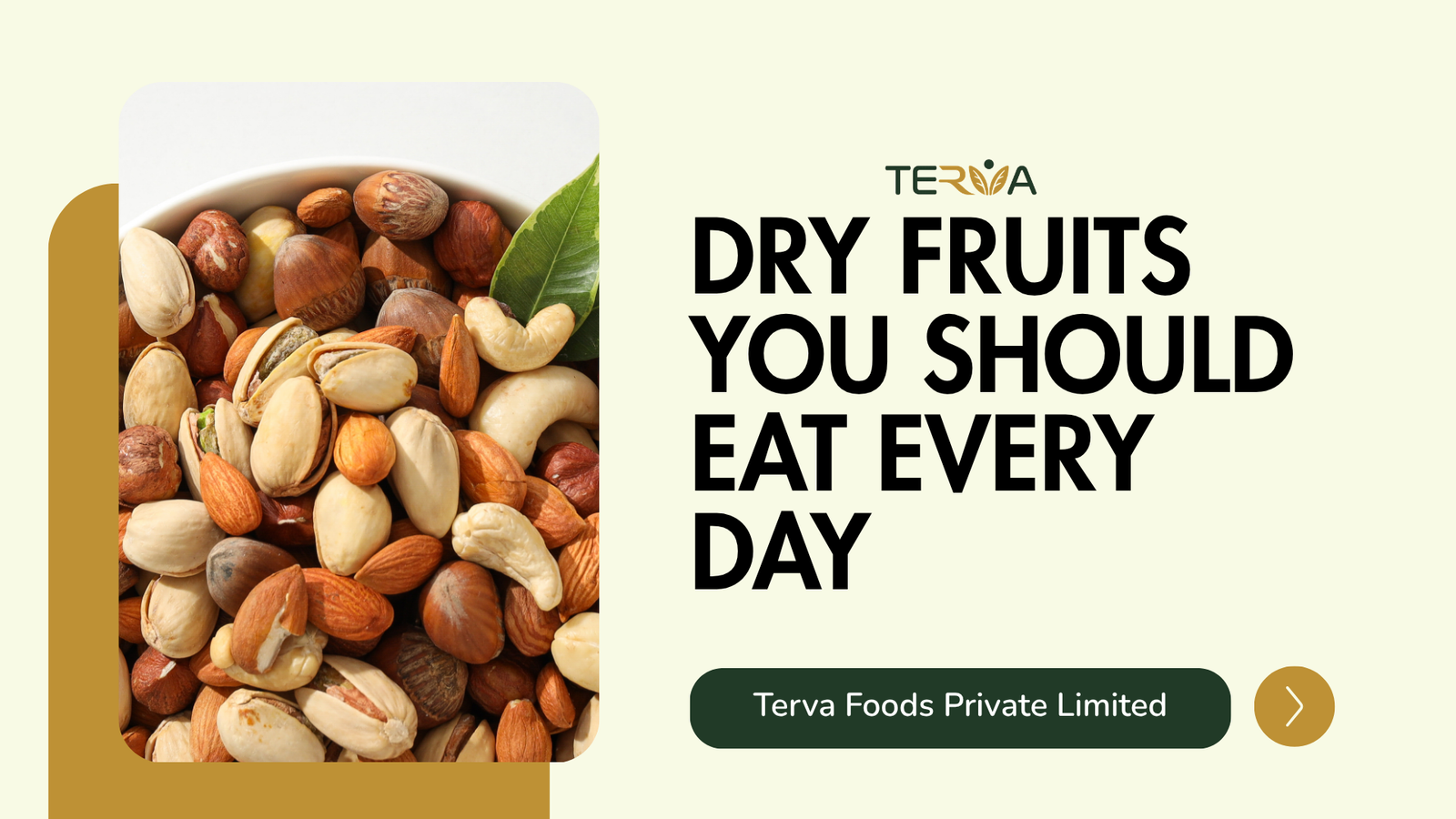
Dry fruits benefits daily nutrition in ways few other foods can match. A small handful of nuts, seeds, and dried fruit delivers protein, fiber, healthy fats, and micronutrients in a compact, ready-to-eat package.
Whether you eat them as a mid-morning snack, mix them into your breakfast bowl, or carry them to work, dry fruits help you stay full, focused, and energized throughout the day. In this guide, we break down the nutritional profile of common dry fruits, explore the top 9 dry fruits and nuts you should add to your daily diet, and answer the most common questions people ask about eating dry fruits every day.
Nutrition experts often recommend dry fruits because they fit easily into almost any lifestyle. You do not need to cook them, refrigerate them, or prepare them in any special way, which makes them one of the most convenient healthy foods available.
Busy professionals, students, athletes, and even elderly family members can benefit from adding a small portion of dry fruits to their daily meals. Because different dry fruits offer different nutrients, eating a variety rather than relying on just one type gives you the most complete daily nutrition.
Nutritional Profile of Common Dry Fruits
Dry fruits and nuts are nutrient-dense foods, which means they pack a large amount of vitamins, minerals, and healthy fats into a small serving size. Unlike fresh fruit, dry fruits lose most of their water content during processing, which concentrates their natural sugars, fiber, and antioxidants. This is why a small quantity goes a long way.
Most dry fruits and nuts share a few common nutritional strengths:
- Healthy fats: Nuts like almonds, cashews, and walnuts are rich in monounsaturated and polyunsaturated fats that support heart health.
- Protein: Almonds, pistachios, and pumpkin seeds offer plant-based protein that keeps you full for longer.
- Fiber: Dried figs (anjeer), raisins, and seeds add dietary fiber that supports digestion and gut health.
- Vitamins and minerals: Dry fruits are natural sources of magnesium, potassium, iron, zinc, and vitamin E, which support immunity, bone strength, and skin health.
- Antioxidants: Cranberries and black raisins contain polyphenols and flavonoids that help fight oxidative stress in the body.
Because dry fruits are calorie-dense, portion control matters. Eating the right amount every day gives you steady benefits without unwanted weight gain. The sections below break down the specific nutrition and benefits of the top 9 dry fruits and nuts you should include in your daily diet.
Top 9 Dry Fruits & Nuts and Their Specific Benefits
Each dry fruit and nut brings its own unique mix of nutrients. Here is a closer look at nine dry fruits that deserve a daily spot in your diet.
1. Almonds
Almonds are one of the most popular dry fruits for daily consumption, and for good reason. They are loaded with vitamin E, magnesium, and healthy fats that support heart health and brain function. Regular almond consumption may help lower bad cholesterol levels and improve skin health thanks to their antioxidant content. Soak almonds overnight and eat them in the morning for easier digestion, or add sliced almonds to your salads and smoothies.
2. Cashews
Cashews bring a creamy texture and a rich supply of copper, magnesium, and zinc to your daily diet. These minerals support bone health, energy production, and a strong immune system. Cashews also contain healthy fats that help your body absorb fat-soluble vitamins more effectively. Add a small handful of roasted or raw cashews to your daily snack rotation for a satisfying, nutrient-rich bite.
3. Walnuts
Walnuts stand out among dry fruits because they are one of the few plant-based sources of omega-3 fatty acids. This makes walnuts especially good for brain health, memory, and reducing inflammation in the body. Their unique wrinkled shape even resembles the human brain, which nutritionists often use to remember their brain-boosting benefits. Eating a few walnuts daily can also support heart health by helping to balance cholesterol levels.
4. Pistachios
Pistachios, often called pista, are lower in calories than many other nuts while still offering a good dose of protein and fiber. They contain lutein and zeaxanthin, two antioxidants that support eye health. Pistachios also have a low glycemic index, which makes them a smart snack choice for people managing blood sugar levels. Their satisfying crunch and slightly sweet flavor make them easy to include in your daily diet.
5. Anjeer (Dried Figs)
Anjeer, or dried figs, are naturally sweet and packed with dietary fiber, calcium, and potassium. This combination makes anjeer excellent for digestive health and bone strength. Many people eat anjeer daily to support regular digestion and to naturally manage blood pressure, since potassium helps balance sodium levels in the body. Soaked anjeer, eaten first thing in the morning, is a traditional remedy for constipation and low energy.
6. Cranberries
Dried cranberries add a tangy-sweet flavor along with a strong dose of antioxidants, particularly proanthocyanidins, which are known to support urinary tract health. Cranberries also contain vitamin C, which helps strengthen your immune system. Because dried cranberries often contain added sugar, choose unsweetened or lightly sweetened varieties and enjoy them in moderation as part of your daily dry fruit mix.
7. Black Raisins
Black raisins are dried black grapes that are rich in iron, making them especially helpful for people dealing with low hemoglobin or fatigue. They also contain natural antioxidants that support liver health and help the body flush out toxins. Soaking black raisins in water overnight and drinking the water in the morning is a popular home remedy for boosting iron levels and improving digestion naturally.
8. Pumpkin Seeds
Pumpkin seeds are a small but mighty addition to your daily dry fruit intake. They are rich in magnesium, zinc, and plant-based protein, which support muscle function, immune health, and better sleep quality. Pumpkin seeds also contain tryptophan, an amino acid that helps the body produce serotonin and melatonin. Sprinkle roasted pumpkin seeds over salads, yogurt, or oatmeal for an easy nutrient boost.
9. Sunflower Seeds
Sunflower seeds are an excellent source of vitamin E, selenium, and healthy fats. Vitamin E acts as a powerful antioxidant that protects your skin and cells from damage, while selenium supports thyroid function and immunity. Sunflower seeds also offer a good amount of plant-based protein, making them a smart daily snack for anyone looking to support skin health and overall wellness.
How Many to Eat Per Day
Portion size matters when it comes to dry fruits, since they are calorie-dense compared to fresh fruits and vegetables. As a general guideline for daily dry fruit consumption:
- Almonds, cashews, walnuts, and pistachios: A small handful, roughly 4 to 6 pieces or about 20 to 25 grams, is a healthy daily portion.
- Anjeer: 2 to 3 pieces of anjeer per day is generally sufficient.
- Cranberries and black raisins: A tablespoon (10 to 15 grams) is a good daily serving.
- Pumpkin seeds and sunflower seeds: 1 to 2 tablespoons per day provide a healthy dose of micronutrients without excess calories.
In total, aim for around 30 to 50 grams of mixed dry fruits and nuts per day, adjusted based on your age, activity level, and overall calorie needs. Give a try to terva trial mix.
Active individuals and athletes may benefit from a slightly larger portion, while people watching their calorie intake should stick closer to the lower end of the range. If you have a medical condition such as diabetes, kidney issues, or nut allergies, consult your doctor before making dry fruits a daily habit.
Best Time to Eat Dry Fruits
Timing can influence how well your body absorbs and uses the nutrients in dry fruits. Here are the best times to eat dry fruits for maximum benefit:
- Morning, on an empty stomach: Eating a handful of soaked almonds, walnuts, or raisins on an empty stomach helps kick-start digestion and provides steady energy for the day ahead.
- Mid-morning or afternoon snack: A mix of nuts and seeds between meals helps curb hunger and prevents unhealthy snacking later in the day.
- Soaked, overnight: Soaking almonds, anjeer, and raisins overnight makes them easier to digest and helps release more nutrients, since soaking breaks down the outer layer that can inhibit absorption.
- Avoid large portions before bedtime: Eating heavy portions of dry fruits right before bed can add unnecessary calories and may affect digestion, so it is best to avoid large servings late at night.
Whatever time you choose, consistency matters more than the exact hour. Building a simple daily habit, such as a morning handful of nuts or a mid-day trail mix of terva, is the easiest way to enjoy dry fruits benefits daily without overthinking your schedule.
Why Trust Terva – Trust Every Bite
At Terva, every product is chosen with one goal in mind: helping you build a healthier daily routine through clean, honest nutrition. Our name reflects our promise, Trust Every Bite, and that promise shapes everything we do.
- Quality sourcing: We source our almonds, cashews, walnuts, pistachios, anjeer, cranberries, black raisins, pumpkin seeds, and sunflower seeds from trusted growers or sellers who follow careful harvesting and quality practices.
- Rigorous testing: Every batch of dry fruits goes through strict quality checks to ensure freshness, purity, and food safety before it reaches your home.
- No hidden additives: Terva dry fruits contain no unnecessary additives, so you get the natural nutrition your body deserves in every bite.
- Sustainable practices: From our packaging to our sourcing partners, we prioritize practices that support long-term health for both people and the planet.
When you choose Terva, you are choosing a partner that cares about your daily wellness journey as much as you do. That is what it means to Trust Every Bite.
Dry Fruits FAQs
Dry fruits can support weight loss when eaten in controlled portions, since their protein and fiber content helps you feel full for longer and reduces overeating. However, overeating dry fruits can add extra calories, so portion control is key.
Soaking almonds, anjeer, and raisins overnight can make them easier to digest and may improve nutrient absorption. Nuts like cashews and pistachios can be eaten raw or roasted without soaking.
Most nutritionists recommend eating dry fruits in the morning, either on an empty stomach or as a mid-morning snack, to support digestion and provide steady energy throughout the day.
Store dry fruits and nuts in airtight containers in a cool, dry place away from direct sunlight. For longer shelf life, especially in humid climates, keep them in the refrigerator. Proper storage prevents moisture buildup, which can lead to spoilage or loss of flavor and nutrients over time.
Leave a Reply